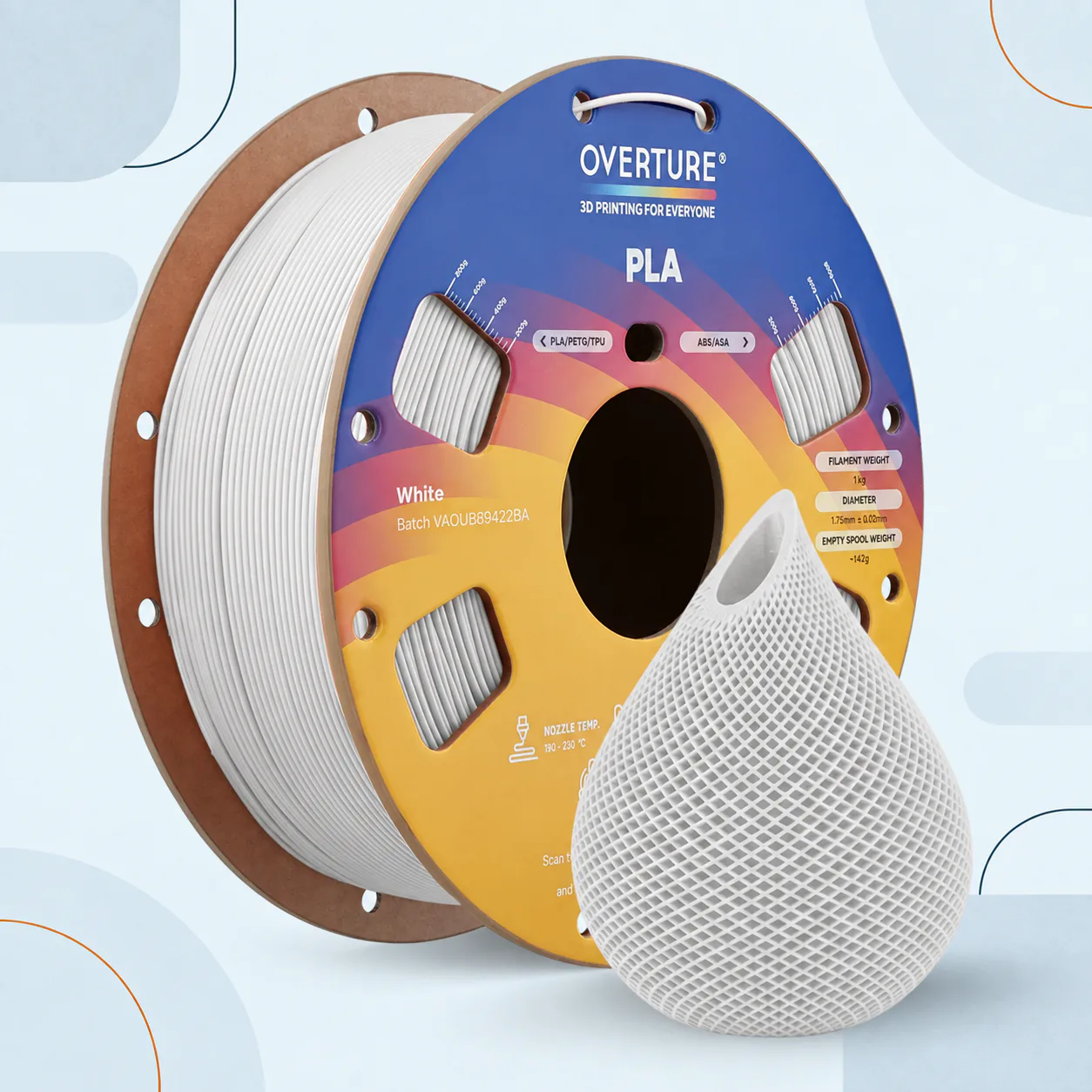
Everyday prints
PLA
For prototypes, models, organizers, and parts where easy printing matters most.
Listing checked: September 2026 · Skip if the exact line or size changes.
PLA settings and spool comparison
3D printing filament, explained for the job
Start with regular PLA for ordinary indoor prints. Choose PETG when a functional part needs more toughness or heat tolerance. Choose ASA for deliberate outdoor use only when you already have an enclosure and a plan for ventilation. Choose TPU when the part needs to bend, grip, or absorb vibration.
Not sure which polymer fits the part's environment? Start with the filament-by-job matrix to compare heat, UV, long-term load, and flex.
The short answer
If none of those conditions apply, buy PLA and get one small print working before you change materials.
Start with the job
Each guide answers the material question, shows the hardware constraint, and explains when the easier option is the better buy.
Buying through our Amazon links costs you nothing extra and helps keep FilamentSetup free. As an Amazon Associate we earn from qualifying purchases. Commission policy.
Everyday prints
For prototypes, models, organizers, and parts where easy printing matters most.
Listing checked: September 2026 · Skip if the exact line or size changes.
PLA settings and spool comparison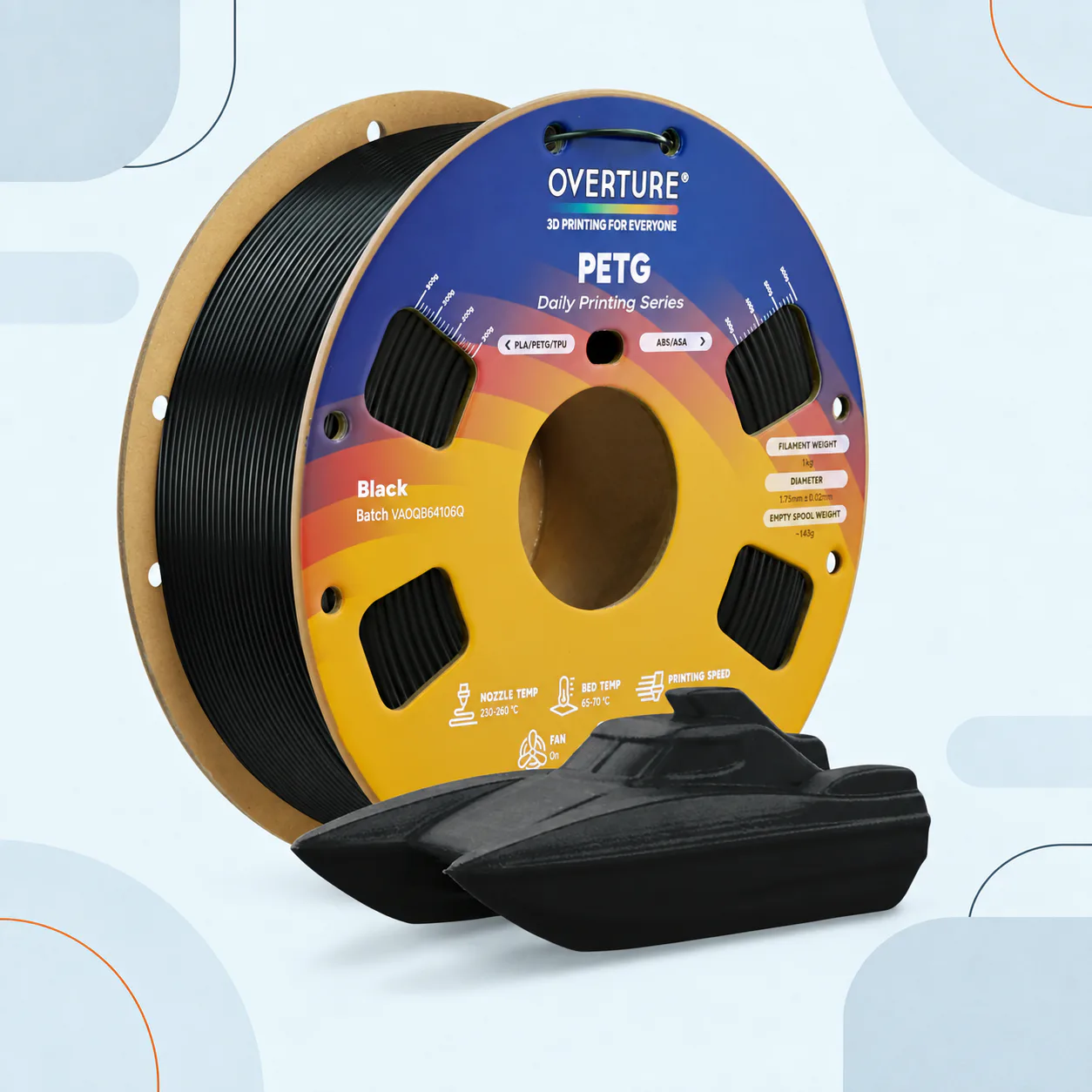
Useful toughness
For functional parts that need more toughness and heat tolerance than basic PLA.
Photo is the OVERTURE PETG listing, checked September 2026. The guide is ELEGOO Rapid PETG.
ELEGOO Rapid PETG settings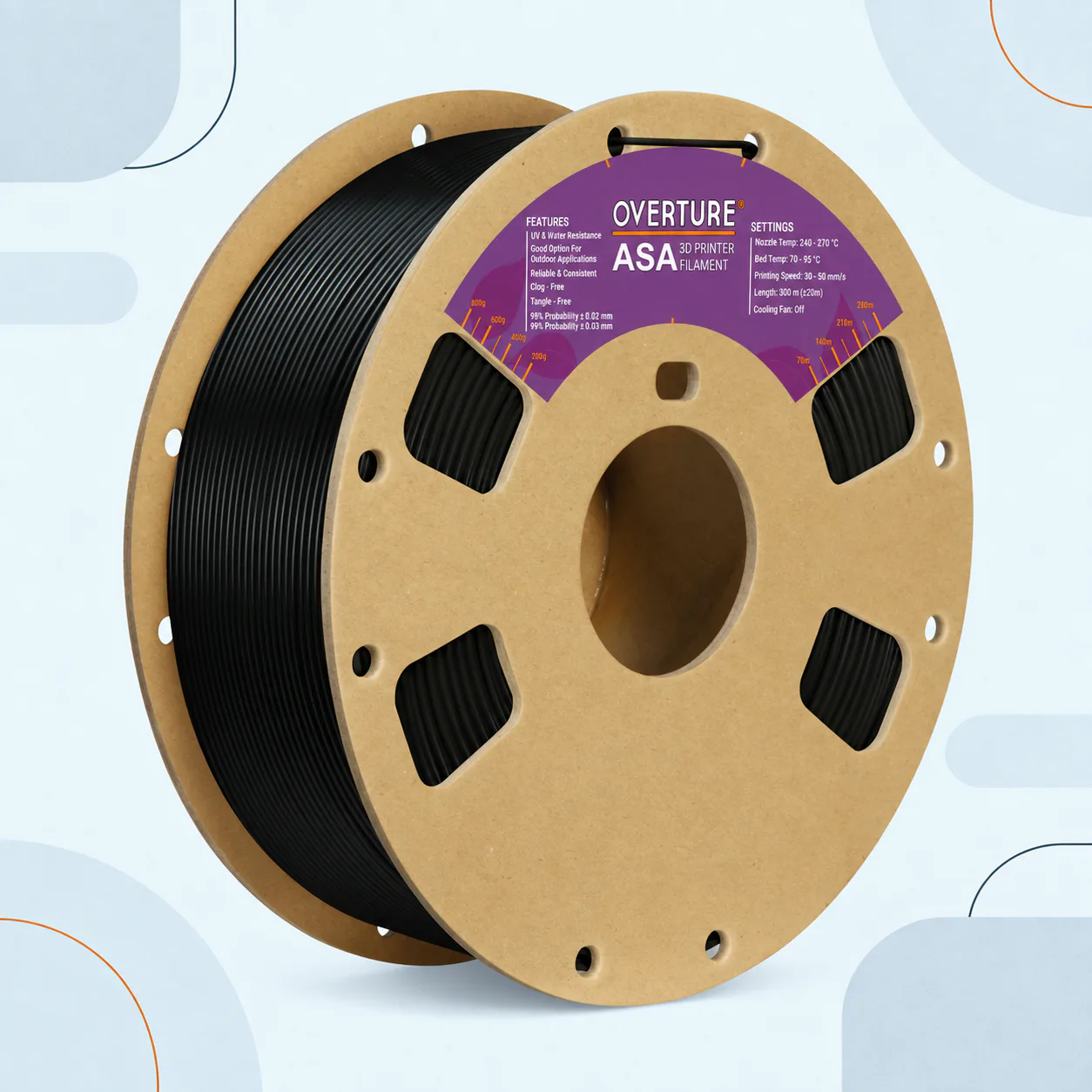
Outdoor parts
For outdoor exposure when enclosure, ventilation, and warping control are part of the setup.
Listing checked: September 2026 · Skip if the exact line or size changes.
ASA settings and spool comparison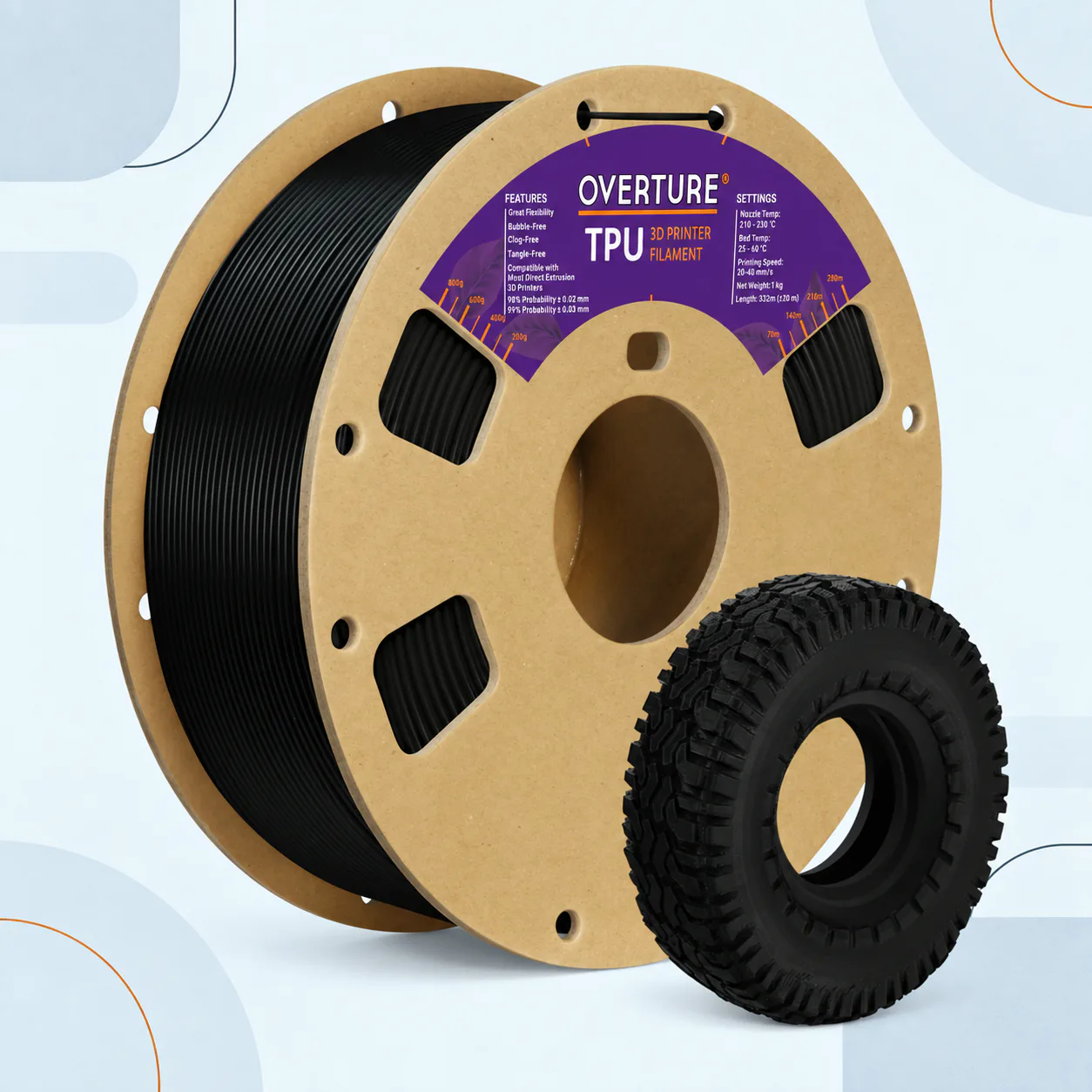
Flexible jobs
For grips, feet, seals, and flexible parts when the feed path can handle the material.
Listing checked: September 2026 · Skip if the exact line or size changes.
TPU settings and spool comparison| Job | Start with | Why | The catch | Next step |
|---|---|---|---|---|
| Models, organizers, signs, everyday indoor parts | PLA | Easiest first material and broad profile support. | Can soften in hot environments and is not the outdoor default. | Compare OVERTURE High Speed PLA and standard SUNLU PLA |
| Brackets, mounts, functional indoor parts | PETG | Better fit when toughness, heat, or occasional weather matters. | Moisture, stringing, and bed release need attention. | Read ELEGOO Rapid PETG settings on Bambu |
| Outdoor housings, signs, parts in sun and weather | ASA | Chosen for weather and UV resistance. | Warping, enclosure, and emissions control make it a setup decision. | Check the ASA setup first |
| Feet, gaskets, bumpers, grips, flexible parts | TPU | Bends and damps instead of acting like a rigid plastic. | Soft grades are harder to feed and ordinary TPU should bypass AMS lite. | Choose TPU hardness and feed path |
Four useful routes
Common jobs
PLA unless it will live in a hot car.
PETG for ordinary household loads; do not treat a printed part as safety-rated.
ASA when the printer and room are ready for it.
PETG for ordinary use; ASA when long outdoor exposure is the main requirement.
TPU when flex and impact absorption are the point.
TPU for damping; PETG only if the part should stay rigid.
Drying and troubleshooting
If you print nylon, follow the filament maker’s instructions.
Regular PLA is the usual first choice because most printers and slicers have a good starting profile for it. Buy one standard spool, use that product’s profile, and make one small successful print before buying several colors.
PLA is easier for a first print. PETG earns the extra setup when the part needs more toughness, heat tolerance, or occasional outdoor exposure.
ASA is the deliberate outdoor choice when you can manage its enclosure and ventilation needs. PETG can handle some outdoor use, but it is not a substitute for checking the job, expected life, and failure risk.
TPU is the flexible choice. Ordinary 95A TPU should normally feed directly to the toolhead rather than through AMS lite.
Not for every new PLA spool. A dryer becomes useful when the material maker calls for drying or the spool shows moisture symptoms such as popping, pockmarks, or persistent stringing.
The FilamentSetup method
We start with the part or job, check the material and printer fit, then name the setup constraints before a product link. The full methodology explains the evidence and skip-case rules behind each guide.
Built for makers who want fewer failed prints
FilamentSetup connects material decisions, printer constraints, drying and storage, and exact product identity. Product references separate manufacturer guidance from retailer listing details. Learn about FilamentSetup.